
Crawl Space Water Damage Cleanup in McAllen, TX
A wet crawl space in McAllen, TX can leave behind more than standing water. Even after the visible water is removed, moisture may remain in insulation, subflooring, joists, beams, soil, and other hard-to-see areas beneath the home.
Our crawl space water damage cleanup service focuses on what happens after water enters the space: assessing the extent of the damage, locating remaining moisture, drying affected materials, addressing damaged insulation or building materials, and identifying conditions that could lead to mold or recurring moisture problems.
Whether the problem started with heavy rain, a plumbing leak, drainage failure, or groundwater intrusion, the goal is to leave the crawl space dry, assessed, and properly addressed not simply pumped out.
What Happens After Water Gets Under the House?
Standing water under a house in McAllen can affect more than the soil beneath the property. Water may contact insulation, floor joists, beams, subflooring, ductwork, plumbing components, and other materials.
Even when the standing water is gone, trapped moisture can remain.
A post-water-damage assessment may look for:
- Remaining moisture in wood and building materials
- Saturated or damaged insulation
- Wet subflooring
- Damp floor joists or beams
- Signs of previous flooding
- Mud or sediment
- Plumbing leaks
- Drainage problems
- Condensation
- Musty odors
- Conditions that could support mold growth
The important distinction is between removing water and restoring the affected crawl space. Pumping or extracting water is only one part of the response when building materials have been exposed to moisture.
Crawl Space Water Extraction vs. Water Damage Cleanup
A crawl space water extraction service and a crawl space water damage cleanup service may overlap, but they address different stages of the problem.
| Water Extraction | Water Damage Cleanup |
|---|---|
| Focuses on removing standing water | Focuses on the condition left after the water event |
| Used during an active water intrusion | Used to assess and address resulting damage |
| Pumps or extracts accumulated water | Evaluates affected materials |
| Helps stop continued exposure | Focuses on drying, cleaning, and damage assessment |
| Immediate response | Follow-up restoration and prevention |
If water is currently entering the crawl space or there is significant standing water, water extraction is the immediate priority.
Once the water has been removed, the property may still require drying, cleaning, insulation removal, structural assessment, moisture monitoring, or other restoration work.
This page focuses on that post-water-event cleanup and damage assessment rather than serving as a second emergency extraction page.
Crawl Space Flooding in McAllen
Crawl space flooding in McAllen can happen for several reasons, including heavy rainfall, surface-water intrusion, plumbing failures, drainage problems, or water entering through vulnerable areas around the foundation.
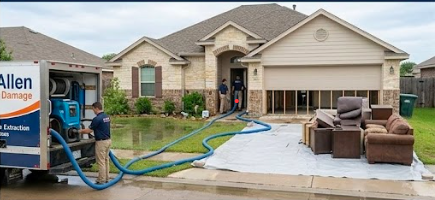
The source matters because removing the water without addressing how it entered can leave the property vulnerable to another event.
After a crawl space flood, the assessment should consider both the immediate damage and the conditions that allowed the water to enter.
Depending on the situation, cleanup may involve:
- Removing remaining water or sediment
- Drying affected materials
- Removing saturated insulation
- Cleaning contaminated surfaces
- Inspecting wood framing and subflooring
- Checking for remaining moisture
- Identifying drainage problems
- Evaluating the need for sump or drainage improvements
- Monitoring for conditions that could support mold growth
If the crawl space is still actively flooding, emergency water removal takes priority over routine cleanup.
How Long Does Water Stay in a Crawl Space?
There is no single timeframe for how long water will remain in a crawl space. It depends on how much water entered, the soil and drainage conditions, ventilation, humidity, temperature, and whether the water has a path to leave the space.
More importantly, visible standing water disappearing does not necessarily mean the crawl space is dry.
Wood framing, subflooring, insulation, and other porous materials can retain moisture after the surface water is gone. Hidden moisture may take considerably longer to dry and can create conditions for secondary damage if it remains.
That is why a post-flood assessment should focus on moisture in the affected materials rather than simply asking whether there is still water on the ground.
Water Damage to Crawl Space Joists, Beams, and Subflooring
Water exposure can affect the wooden components supporting the floor above the crawl space.
Areas that may require inspection include:
- Floor joists
- Support beams
- Subflooring
- Sill plates
- Wood posts
- Connections and supports
- Insulation attached beneath the floor
Not every wet wood component needs to be replaced. The appropriate response depends on the duration and extent of moisture exposure, the condition of the material, and whether structural deterioration has occurred.
Signs that warrant closer evaluation can include:
- Persistent dampness
- Soft or deteriorated wood
- Discoloration
- Crumbling or damaged material
- Visible fungal growth
- Sagging or movement in the floor system
- Evidence of a long-term moisture problem
Water damage cleanup addresses moisture and affected materials, but structural repairs should be evaluated by an appropriately qualified professional when the integrity of the building components is in question.
Crawl Space Drainage Solutions in Texas
Long-term crawl space moisture is often a drainage problem rather than simply a cleanup problem.
Depending on the property, crawl space drainage solutions in Texas may include improvements inside or outside the foundation area.
French drains
A French drain can help redirect water away from areas where it accumulates. The appropriate design depends on the property’s grading, soil, drainage patterns, and where collected water can safely discharge.
Exterior drainage
Water should be directed away from the foundation where possible. Gutters, downspouts, grading, surface drainage, and other exterior conditions can influence how much water reaches the area beneath a home.
Sump pumps
A sump pump in a crawl space can help remove collected water when a suitable drainage system and discharge location are available. A pump is not a universal solution, however, and should be sized and installed for the property’s actual water conditions.
The appropriate drainage solution depends on where the water is coming from and how it moves around the property. Cleanup should address the existing damage, while drainage improvements help reduce the likelihood of recurring water intrusion.
Why Does My Crawl Space Smell After Water Gets Under the House?
A water under house smell in McAllen can have several possible causes.
After flooding or prolonged moisture, odors may come from:
- Wet insulation
- Damp wood
- Standing or stagnant water
- Soil moisture
- Sewage or plumbing problems
- Microbial growth
- Organic debris
- Previously water-damaged materials
A musty smell does not by itself prove that mold is present, and removing the odor without identifying its source may only provide a temporary improvement.
The crawl space should be checked for remaining moisture and damaged materials so the source of the odor can be addressed rather than simply masked.
Preventing Mold After Crawl Space Water Damage
Once water enters a crawl space, drying the area promptly is important because prolonged moisture can create conditions favorable to microbial growth.
Post-water-damage cleanup may include:
- Removing remaining water or wet debris.
- Identifying materials that remain damp.
- Drying affected wood and building materials.
- Removing materials that cannot be appropriately restored.
- Cleaning affected surfaces when appropriate.
- Identifying the moisture source.
- Correcting drainage or plumbing problems where necessary.
- Monitoring the area until the planned drying work is complete.
If mold is already visible, the situation becomes a mold-remediation issue rather than simply a drying problem. The appropriate remediation scope depends on the extent and condition of the affected materials.
How Much Does Crawl Space Drying and Cleanup Cost in McAllen?
The cost of crawl space drying and cleanup in McAllen depends on the amount of water, the size and accessibility of the crawl space, the materials affected, and whether additional repairs are necessary.
Factors that can change the cost include:
- Amount of standing water
- Duration of moisture exposure
- Crawl space size
- Accessibility
- Wet insulation
- Damaged wood or subflooring
- Mud or sediment
- Required drying equipment
- Moisture monitoring
- Plumbing or drainage repairs
- Mold remediation
- Structural repairs
A crawl space that only requires localized drying is very different from one with widespread water intrusion, saturated insulation, damaged structural wood, and an ongoing drainage problem.
For that reason, a site assessment is more useful than applying one generic price to every crawl space.
What We Check After the Water Is Removed
Removing visible water is only the beginning of the cleanup process.
After extraction, the crawl space may need to be evaluated for:
- Remaining moisture in wood
- Wet insulation
- Subfloor moisture
- Damp joists and beams
- Hidden water pockets
- Sediment and debris
- Odors
- Visible microbial growth
- Damaged materials
- Plumbing leaks
- Drainage problems
- Conditions that could cause another water event
This assessment helps determine what actually needs to be dried, cleaned, removed, repaired, or monitored.
The objective is not to make the crawl space simply look dry. It is to determine whether the affected materials have reached an appropriate drying condition for the project.
When Crawl Space Water Damage Requires Structural Repair
Water exposure does not automatically mean that structural components need to be replaced.
However, prolonged moisture can contribute to deterioration of wood framing and subfloor materials. If joists, beams, posts, or other structural components appear weakened or significantly deteriorated, they should be evaluated by an appropriately qualified professional.
Our cleanup process can identify visible areas of concern and document affected materials. Structural repair is a separate scope and should be based on the actual condition of the building components.
Our Crawl Space Water Damage Cleanup Process
1. Assess the crawl space
We identify visible water damage, remaining moisture, affected materials, odors, and possible sources of the water intrusion.
2. Determine what remains wet
Moisture can remain inside wood, insulation, subflooring, and other porous materials after standing water has been removed.
3. Remove damaged materials when necessary
Saturated or unsalvageable insulation and other affected materials may need to be removed.
4. Dry the affected area
Appropriate drying equipment and moisture monitoring are used according to the conditions found at the property.
5. Clean affected surfaces
Mud, debris, and other residues are addressed based on the type of water and condition of the affected materials.
6. Investigate the cause
Plumbing leaks, drainage problems, groundwater intrusion, condensation, and other sources are considered.
7. Identify prevention needs
Where appropriate, the assessment may identify the need for drainage improvements, sump-pump systems, vapor barriers, or other moisture-control measures.
8. Evaluate the completed work
The crawl space is reviewed to determine whether the planned cleanup and drying scope has been completed.
Crawl Space Water Damage Cleanup FAQ
What should I do if my crawl space is wet?
If there is active water intrusion, address the source if it can be done safely and arrange for water removal. Avoid entering a flooded crawl space if electrical hazards, sewage, structural damage, or other unsafe conditions may be present.
How long does water stay in a crawl space?
There is no fixed timeframe. Drainage, soil conditions, humidity, temperature, ventilation, and the amount of water all affect how quickly the area dries. Building materials can remain damp even after visible standing water disappears.
Can standing water under my house cause mold?
Prolonged moisture can create conditions favorable to mold growth. Drying the affected materials and correcting the source of the water can help reduce the chance of secondary problems.
Does crawl space water damage affect floor joists?
It can. Water exposure may leave joists, beams, and subflooring damp or damaged. The actual condition of structural wood should be evaluated rather than assuming that every wet component needs replacement.
Do I need a sump pump in my crawl space?
A sump pump can be appropriate for some properties where collected water needs to be removed, but it is not the right solution for every crawl space. The source and movement of the water should be evaluated first.
Can a French drain stop crawl space flooding?
A properly designed drainage system may help redirect water away from areas where it accumulates, but the appropriate solution depends on the property’s grading, soil, water source, and discharge options.
Why does my house smell musty after crawl space flooding?
The odor may come from wet insulation, damp wood, stagnant water, soil moisture, microbial growth, or other water-damaged materials. Finding the source is more useful than simply masking the smell.
How much does crawl space drying cost in McAllen?
Costs depend on the amount of water, affected materials, crawl space size and accessibility, drying requirements, and any necessary repairs or moisture-control work. An assessment is needed to determine the actual scope.
Can you clean a crawl space after the water has already been removed?
Yes. Post-water cleanup can include moisture assessment, drying, damaged-material removal, cleaning, and evaluation of the conditions that caused the water intrusion.
Is crawl space cleanup the same as water extraction?
No. Extraction focuses primarily on removing accumulated water. Cleanup addresses the damage and moisture conditions that remain afterward.
Get Quote
Don’t let crawlspace water damage linger and threaten your McAllen home act now to safeguard your family’s health and property. FloodFix Solutions guarantees fast, effective cleanup with proven results you can trust. Whether it’s a recent storm or a hidden leak, our experts are ready to help restore peace of mind.
Call us today at (956) 474-9668 to schedule your service.
Nearby McAllen Areas We Serve Crawlspace Water Damage Cleanup Services
Why Choose Us for Crawlspace Water Damage Cleanup in McAllen, TX?
Licensed & Insured
Fully protected for your peace of mind
Free Estimates
No obligation quotes
5-Star Rated
Top reviews from customers
Same-Day Service
Quick response times
Need Crawlspace Water Damage Cleanup Services?
Contact us today for a free estimate. Our experienced team is ready to help!